
Construction Site Clean-up: It’s the Law
By 4 min read

Did you know that what you don’t do at a jobsite may be as important as what you do? Clean-up before, during and after a project isn’t just a good business practice. This guide identifies some of the regulations you have to follow for proper site preparation and clean-up.
Soil and Environmental Testing
Before you start to dig at a particular location, you should know that the soil and groundwater on the property is safe to be around. Toxic substances often don’t reveal their presence with bright colors or terrible smells. Instead, you may have to collect samples of the soil and water from various points around the jobsite and arrange for testing to determine if they contain high levels of toxic materials. This process is important to complete in advance of construction, so that you’re sure that you and your company will be safe, along with anyone else who comes to the land once construction is complete.
Storm Water Runoff
Any substance that is sitting on the property may possibly flow off the property and onto other land, especially during or after a storm. Although local governments set their own requirements for the testing of possible contaminants that remain on the property, the National Pollutant Discharge Elimination System governs the possible spread of toxins through storm runoff. The primary concern here is that toxins could be spread through the water supply, if they reach rivers, lakes or sewer systems. As a contractor, you may need to obtain a construction general permit if stormwater discharge poses any risk from a particular location where you intend to work.
Use of Construction and Demolition Landfills
All waste from the construction site, if it’s not to be reused, is supposed to be taken to a properly permitted Construction and Demolition (C&D) landfill. These landfills can be certified to take on many different kinds of construction debris and waste, often including:
- concrete
- asphalt
- gypsum
- metals
- wood and other organic materials
Many C&D landfills are not allowed to accept industrial solid waste or hazardous wastes. They must be specifically permitted to contain and store those materials. Construction waste such as lead and asbestos should be carefully handled and transported to avoid affecting the air or water supply. Since construction waste is a significant contributor to landfills each year, the U.S. Environmental Protection Agency recommends that construction companies aim to reduce their consumption and reuse as many materials as possible.
Hazardous Waste Materials
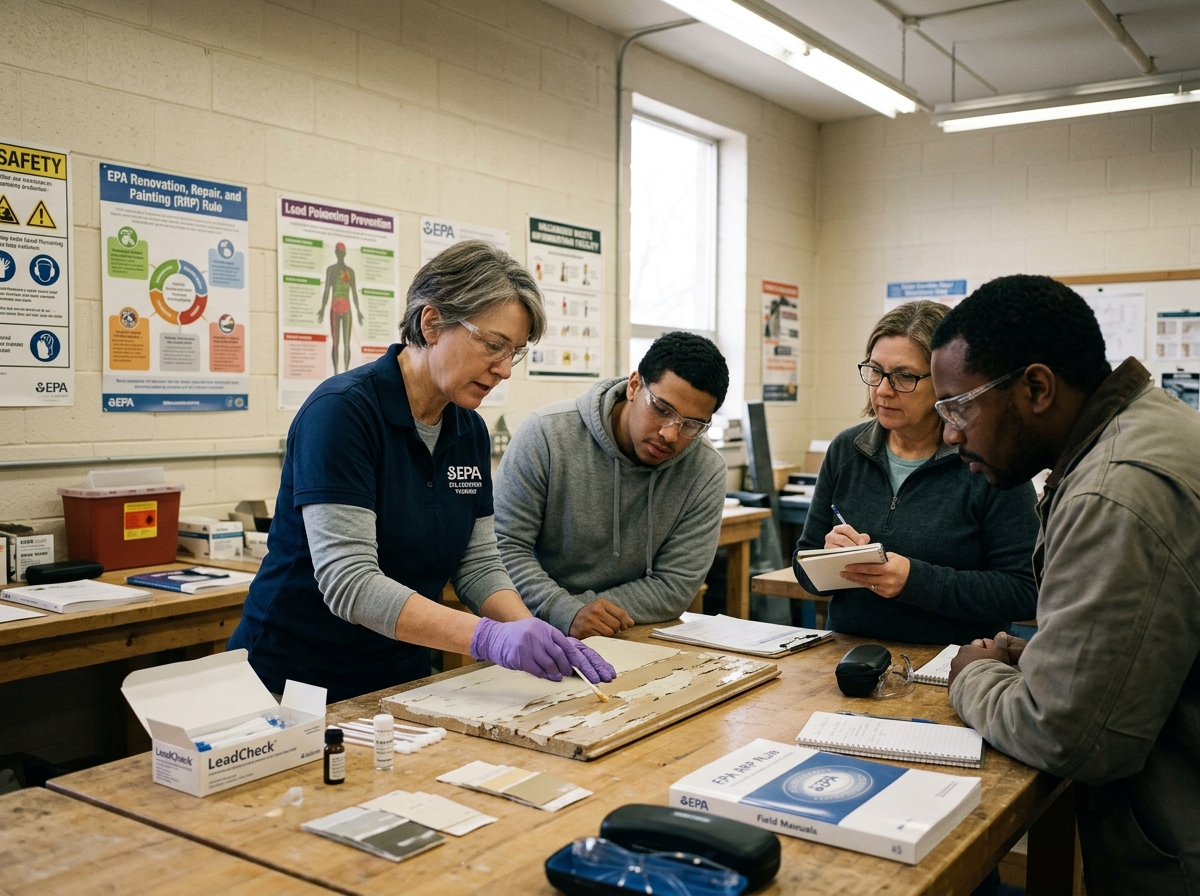
If during the process of construction, you’ll be producing or dealing with certain types of waste, you may be required by the EPA to take additional care with it. Hazardous waste could include anything that contains toxins, such as a lead-based paint, or solvents that emit harsh fumes when opened or improperly contained. The Resource Conservation and Recovery Act gives the EPA control over the ways you might manage hazardous wastes, including:
- generation
- storage
- transport
- disposal
If you have an accidental spill of hazardous materials during or after the construction process, the Emergency Planning and Community Right-to-Know Act guides what you must do.
Emission Controls
Air quality of the region surrounding your construction site is also important and ruled by local emission controls. Any organizations that may cause polluting emissions over the course of their construction work are required to apply for permits before starting construction. You may be expected to provide a thorough analysis and estimate of the predicted emissions before you will be given a permit, based on district siting rules.
Proper Licensing for Construction Clean-up
If you’re interested in making construction site clean-up into a career, you should consider taking the exam CSLS offers for the limited specialty, “Construction Clean-up Contractor.” Contractors with this license are trained to understand the intricacies of safe handling of construction waste, and how to effectively remove debris from the job site. They have the ability to present their services to companies seeking clean-up expertise.
Clean-up at the construction site is serious business, governed by all kinds of laws at the local, state and national level. Knowing more about your obligations for site clean-up can help you understand what you will need to do as you plan your future as a contractor. To learn more about working in the construction industry, contact CSLS today!