

How EV Charger Installations Affect Panel Upgrade Demand
By wonder 5 min read
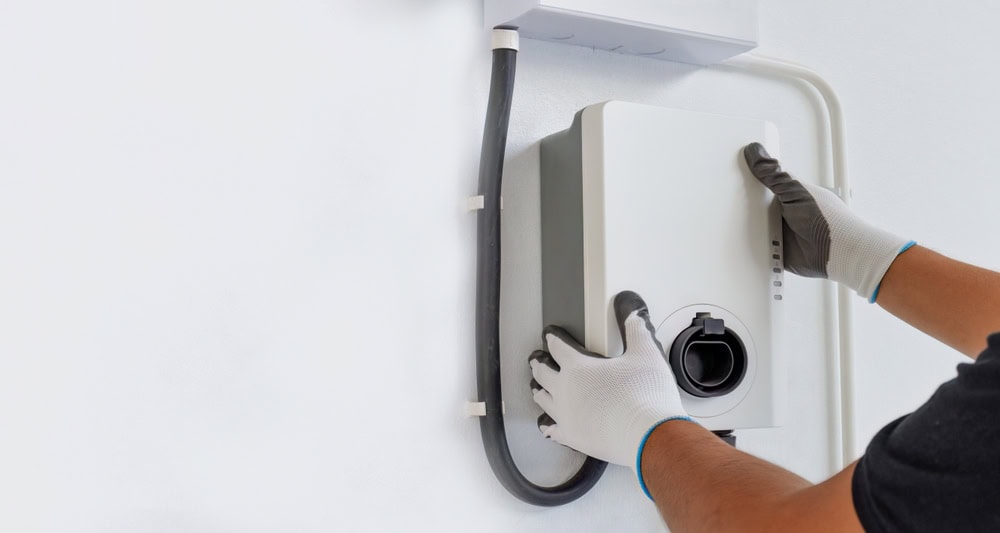
Electric vehicle charger work is creating a steady source of electrical opportunities across California. For many homeowners, the charger itself is not the difficult part. The real issue is whether the home’s existing electrical service and panel can safely support a new continuous load.
For contractors entering the electrical field, this matters because an EV charger installation can quickly become a panel upgrade, service upgrade, subpanel, load calculation, permit, and inspection job. Understanding that connection helps you scope work correctly, avoid promises made too early, and recognize when a project is within your classification and experience.
Why Chargers Create Panel Questions
A Level 2 EV charger commonly requires a dedicated 240-volt circuit. Because EV charging is generally treated as a continuous load, the circuit and overcurrent protection must be sized accordingly under the applicable electrical code. A charger that delivers 40 amps, for example, may require a 50-amp branch circuit.
New contractors sometimes assume that a home with a 200-amp main panel automatically has enough capacity for the charger. That is not always true. A panel’s main breaker rating does not tell the full story. The actual decision depends on the calculated load of the residence and the condition and configuration of the existing electrical equipment.
A house may already have electric air conditioning, electric heat, a pool pump, spa equipment, solar equipment, battery storage, a range, dryer, and multiple appliance circuits. Adding an EV charger can push the calculated demand beyond what the existing service can support, even if the panel has physical space for another breaker.
This is why the first conversation should not be, “What size charger do you want?” It should begin with, “What is your existing service capacity, and what loads are already in the home?”
The Load Calculation Is the Turning Point
A proper load calculation often determines whether an EV project remains a straightforward branch circuit installation or expands into a panel or service upgrade. This is where inexperienced contractors can get into trouble by relying only on a visual inspection of the panel.
A crowded panel may need a larger enclosure or a subpanel, but a neat panel with open breaker spaces may still lack available service capacity. Physical breaker space and electrical load capacity are related, but they are not the same thing.
For a residential project, gather accurate information before pricing the work. Document the service rating, main breaker size, panel manufacturer and condition, existing major loads, planned charger output, and any solar or battery equipment. Also look for signs of older equipment, corrosion, double-tapped conductors, damaged breakers, inadequate grounding, or previous unpermitted alterations.
In California, local building departments may ask for a load calculation, equipment specifications, and a basic electrical plan or single-line diagram, especially when the project includes a service or panel upgrade. The exact process varies by city and county, so contractors should verify the requirements with the authority having jurisdiction before scheduling work.
A Charger Does Not Automatically Mean a Panel Upgrade
One of the most common misconceptions is that every EV charger requires upgrading from a 100-amp panel to a 200-amp panel. Some homes do need that work, particularly older homes with substantial existing electrical demand. Many others do not.
A sound load calculation may show that the existing service can support the added EV load. In other situations, the practical answer may be a lower-output charger, managed charging equipment, or a load management system designed to prevent the service from being overloaded.
The lesson for a new contractor is simple. Do not sell a panel upgrade based only on the age of the house, the size of the panel, or the homeowner’s desire for the fastest possible charging. Present the findings, explain the available options, and make recommendations that match the actual conditions.
That approach builds credibility and reduces the risk of a customer believing that unnecessary work was added to the project.
Licensing, Permits, and Job Scope
In California, EV charger and panel upgrade work is electrical contracting. Contractors should be careful about classification, supervision, permitting, and the difference between work they can coordinate and work they can perform under their own license.
A C 10 Electrical Contractor classification covers electrical work involving the generation, transmission, transformation, or utilization of electrical energy. A general contractor may be involved when the charger installation is part of a larger renovation, but the electrical scope must still be handled under the proper licensing structure.
Do not overlook the contract side of the job. If the work is performed at an owner-occupied residence, it can fall under California home improvement contract requirements. Recent California changes also require home improvement contracts to include the contractor’s email address and permit buyers to cancel by email. The 2026 CSLB reference book also reflects increased enforcement attention to licensing, workers’ compensation, and contract compliance.
Permits and inspections protect both the homeowner and contractor. An inspection can reveal deficiencies in existing equipment that were not apparent during an initial visit. Treat that process as part of professional job planning, not as an obstacle.
The Practical Takeaway
EV charger demand is increasing the demand for panel evaluations and upgrades because charging adds a meaningful, ongoing electrical load to the home. However, the charger is not a shortcut to selling a larger panel.
The experienced contractor starts with site information, completes the load calculation, confirms local permit requirements, and explains the result in plain language. Sometimes the answer is a dedicated circuit. Sometimes it is a panel upgrade, service upgrade, subpanel, or managed charging solution.
For California contractors preparing for licensure, this is a useful example of how trade knowledge and business judgment work together. Passing the examination is important, but successful early career decisions come from learning to assess the entire job, follow the proper licensing and contract rules, and recommend only the work the conditions actually require. CSLB currently issues active licenses for work within the classifications shown on the license, while inactive license holders may not bid or contract for work.