
Can You Hold Multiple Classifications at the Same Time?
By wonder 5 min read

Yes. In California, a single contractor license can carry multiple CSLB classifications. This is common for contractors whose real work experience crosses more than 1 trade, such as a General Building contractor who also has a specialty classification in electrical, plumbing, or concrete work.
The important point is that holding more classifications does not automatically give you authority to perform any type of construction work. Each classification must be properly added to the license, supported by qualifying experience, and used within its legal scope. For a new contractor, understanding that distinction can prevent expensive mistakes when bidding, advertising, or taking on work.
One License Can Include Multiple Classifications
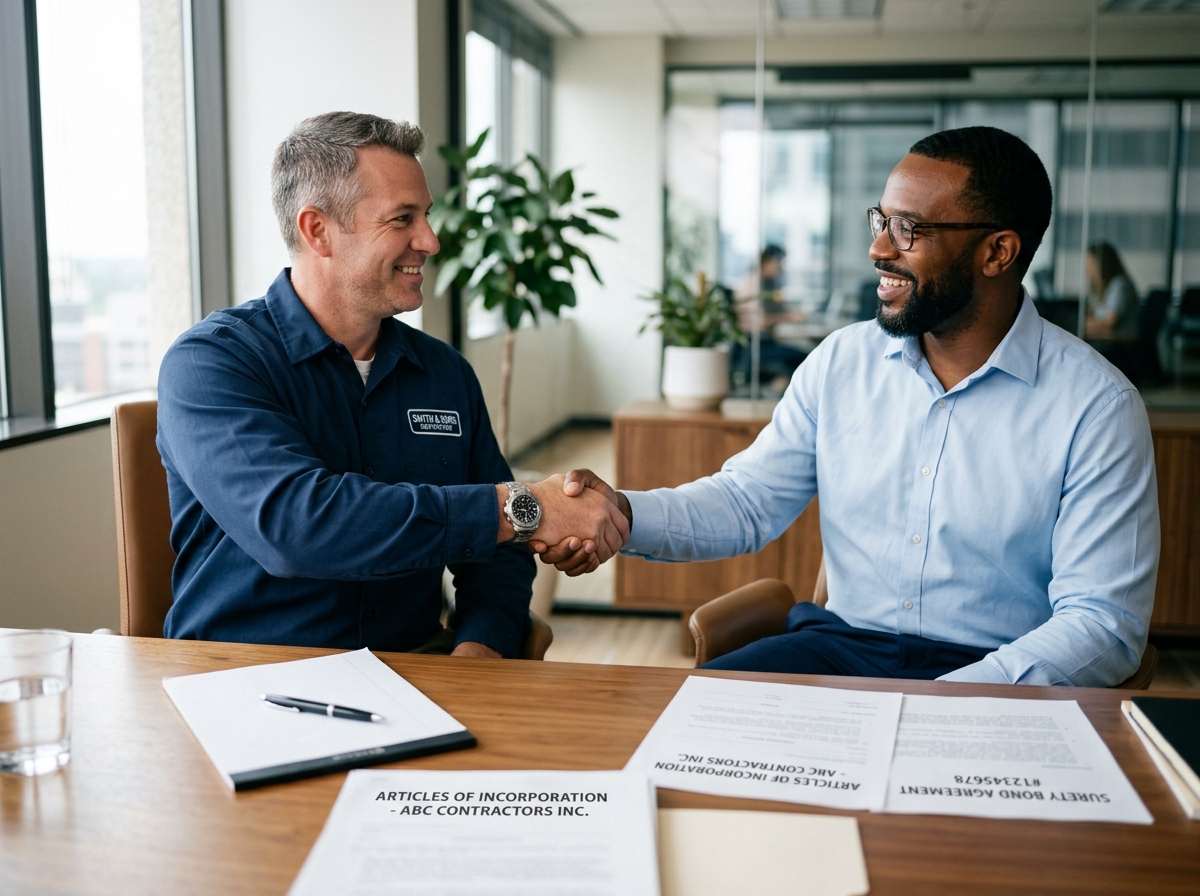
The Contractors State License Board allows a contractor to add classifications to an existing California license. You are not required to form a separate company or obtain a completely separate license number simply because you want to expand into another trade.
For example, a contractor may hold a B General Building classification and later add a C 10 Electrical classification. Another contractor may begin with a C 36 Plumbing classification and eventually add a C 42 Sanitation System classification if their experience supports it.
This can be helpful when your company performs closely related work, or when your business grows beyond the trade you originally licensed under. It also gives customers a clearer picture of the work your company is properly qualified to contract for.
However, an additional classification is not just an administrative upgrade. Each classification represents a separate area of demonstrated experience and testing. The CSLB expects the license to reflect what the business, through its qualifier, can actually supervise and perform competently.
Experience Still Comes First
A common misconception is that an active California contractor license makes it easy to add any classification later. In reality, the CSLB still requires the qualifying individual for the new classification to document 4 years of qualifying experience within the last 10 years.
That experience must be at the journeyman, foreman, supervisor, or contractor level. It must also relate directly to the classification being requested. General construction experience may be valuable, but it does not automatically prove qualification in a specialized field such as electrical, fire protection, asbestos abatement, or refrigeration.
The CSLB also requires work experience verification. This is where applicants often run into problems. A vague description such as “performed construction work” does not show the Board what duties you handled. Strong descriptions explain the actual work, level of responsibility, tools or systems involved, and whether you supervised others, estimated jobs, coordinated installations, or managed code compliance.
Education and apprenticeship experience can be useful supporting documentation, but they do not replace the need to show the required qualifying work history.
Expect a Trade Exam for Each Added Classification
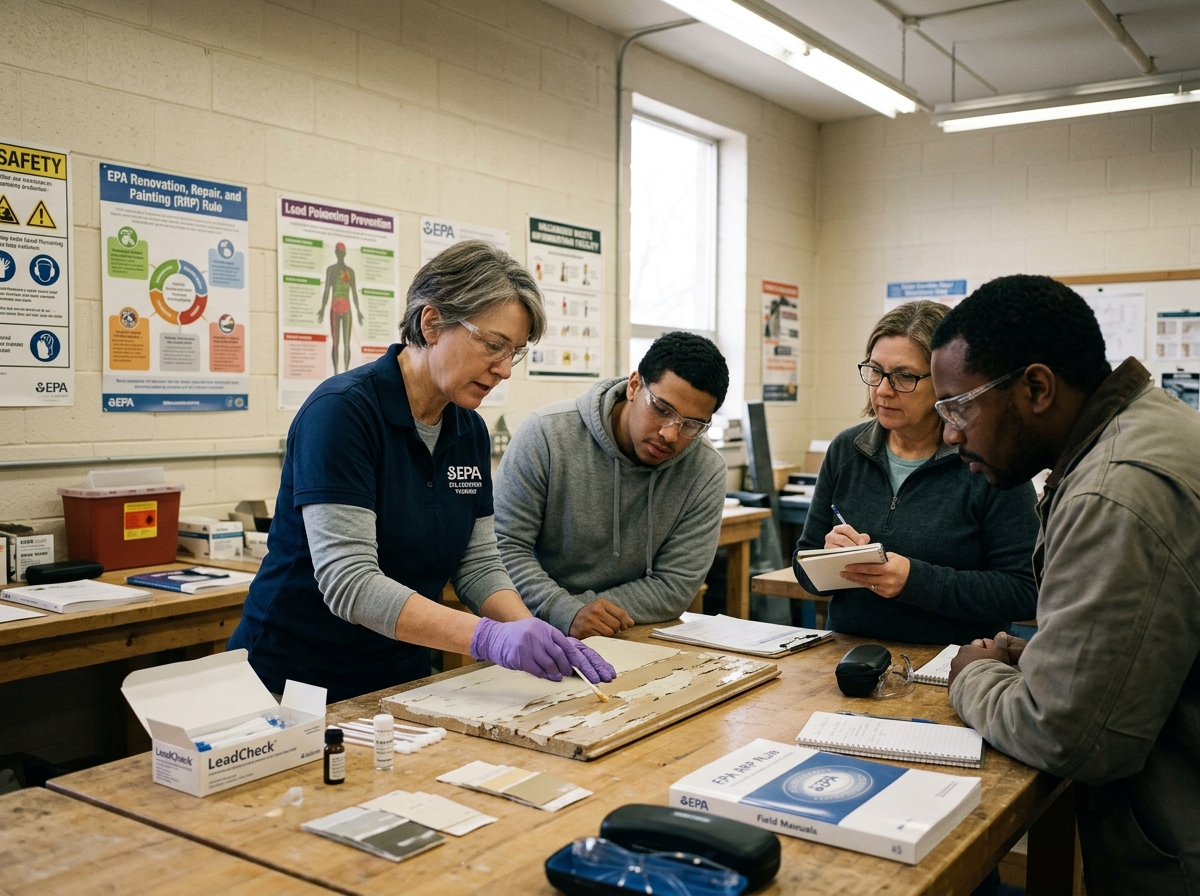
Adding a classification usually means taking the trade examination for that classification. The Law and Business Examination may also be required if the qualifying individual has not previously passed it, unless an applicable waiver applies.
The CSLB examination process is designed to test 2 different areas. The Law and Business Examination covers California construction law and business management. The trade examination focuses on the actual classification being added. With the exception of the C 61 Limited Specialty classification, qualifying individuals generally take both the Law and Business exam and the relevant trade exam.
For contractors who already hold an active license, the practical question is often whether the current qualifier will take the new exam or whether the company will use another qualified individual. Either route can work, but the person named as qualifier must meet the CSLB requirements for that classification.
This is especially important for a growing company. Do not assume that hiring an experienced employee automatically expands your license scope. The classification must be formally added, and the proper qualifying relationship must be established before the business contracts for work outside its existing classifications.
More Classifications Require Better Business Control
Holding multiple classifications can create real opportunities, but it also increases responsibility. Each classification should match the services you advertise, estimate, supervise, and contract for.
A contractor with a B General Building classification may be able to take on projects involving multiple trades under the rules for general building work. But a B classification is not a substitute for every specialty classification, especially when the contract is limited to a single specialty trade. The scope of the contract matters, not just the contractor’s overall experience.
Before expanding, consider whether the added classification supports the direction of your business. If you regularly turn away work because it falls outside your classification, adding the classification may make sense. If the work is occasional, it may be more practical to subcontract that portion to a properly licensed specialty contractor.
Also remember that adding classifications can affect how you manage estimating, permitting, labor, insurance, safety, and supervision. The license is only one part of being ready to perform the work responsibly.
The Main Takeaway
California contractors can hold multiple classifications on the same CSLB license, but every added classification must be earned. The qualifier must have the required documented experience, provide certifications of that experience, meet examination requirements unless a waiver applies, and complete the CSLB application process.
The best approach is to treat each classification as a professional commitment, not simply a way to widen your marketing. When your license accurately matches your experience and the work your company performs, you can bid with more confidence, operate within California licensing rules, and build a business that is prepared for sustainable growth.