
The Perks Of PERC
By 4 min read
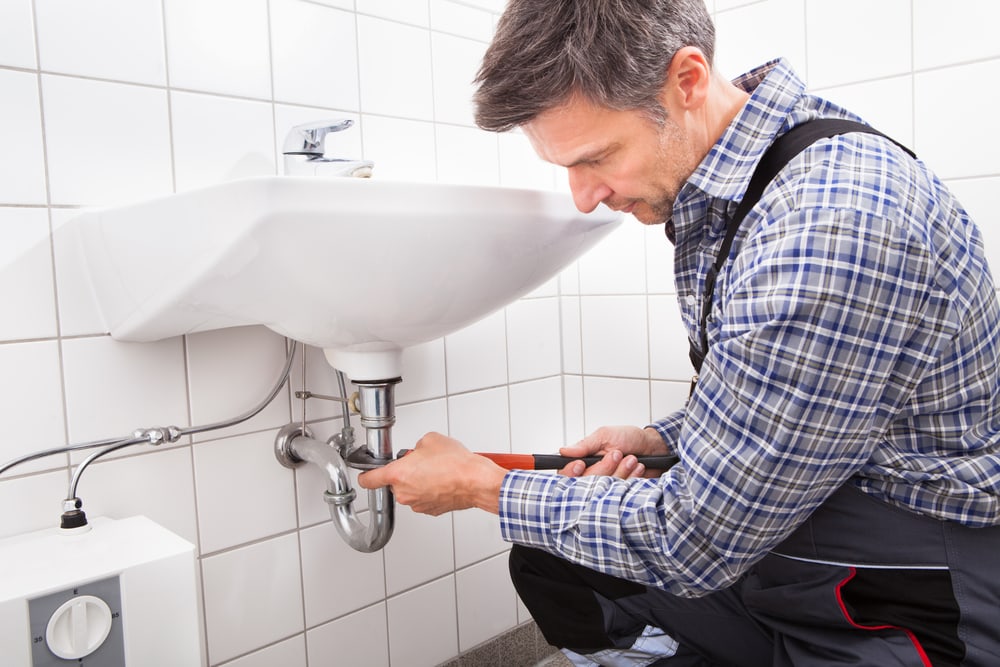

In 2009, a group was formed to provide research on plumbing and flow efficiency in drainage and waste systems. This group consisted of members from five major organizations including: The Alliance for Water Efficiency, the International Association of Plumbing and Mechanical Officials, the International Code Council, the Plumbing Heating Cooling Contractors, and the Plumbing Manufacturers Institute. Moving forward with the new title of Plumbing Efficiency Research Coalition or PERC. They were later joined by The American Society of Plumbing Engineers in 2011. In 20102, the group began collaboration with the Australasian Scientific Review of Reduction of Flows on Plumbing and Drainage Systems (ASFlow) Committee.
Their major project, which just added an addendum to the final report, is aimed at the study of water efficiency and the effects of solid waste in large corporate buildings. With newer, low-capacity and dual flush toilets gaining popularity during these times of higher water use consciousness, drainage pipes are facing ever smaller amounts of water to provide flow for moving solid waste. With less hydraulic “push”, some drainage systems may not be able to adequately move the waste leading to collections that could potentially create backups and blockages resulting in health and safety concerns.
The first phase of the study focused on the continued practicality of gravity-fed drainage systems and the variations in available toilet papers. PERC built a 135’ long 4” PVC drainage simulator and used Surge Injectors to accurately simulate flushing while still being able to control flow. They also installed 2 900 bends to mimic the turns that a pipe in use would have. With the addition of mechanics that allowed them to change the angle of the pipe, they began their testing.
As a follow up to some of ASFlow’s previous tests, Perc’s first main variable involved 2 types of toilet paper. The first had a very high wet tensile strength, the other very low. They reasoned that this would constitute the top and bottom of the normal usage range.
The researchers then began to test different flush volumes: 0.8,1.28, and 1.6 gallons/flush each complete with a set amount of trailing water just a s normal toilet would have. 40 test runs at 100 flushes per run were set up. At the end of each run, a larger volume of clear water was introduced to simulate a pre-programmed flushometer valve.
After the tests were completed, the researchers discovered that a standard 5 gallon clearing flush had little-to-no significance in clearing the drainage pipe. Neither did toilet hydraulics(flush rate and percent trailing water). Additionally, the 0.8 gal/flush toilet proved to be ineffective in a commercial setting and was soon discarded as a test variable. As the PERC report stated, “the test media in the test apparatus compressed together to form large plugs in the drain line that resulted in full-pipe or near full-pipe conditions.” The report further explains that while the clogs did eventually clear themselves, the results were erratic and the 0.8 gal/flush toilet was discarded as test equipment.
What the researchers did find significant were, in ascending order of importance, flush volume, paper tensile strength, and slope of the pipe. The higher flush volumes allowed for better transportation of the media since the greater amount of water provided a “floating transport” for longer distances. The strength of the toilet paper contributed to how well it adhered to the wall pipe. Higher strength paper held together longer; remaining a clogging lump rather than breaking up to lighter pieces. Finally, the greater slope(2%) unsurprisingly provided greater clearing power since the media and water fell faster and traveled farther.
Although these results were just Phase 1, the information for contractors and construction companies that focus primarily on commercial buildings is important. For new builds, recommending 1.2/1.6 gal/flush toilets and higher slopes in drainage lines is vital. In the cases where a contractor is called in to repair chronic clogs, proposing the use of lower strength toilet paper may be the only steps needed.
The study went on to test other variables in Phase 2 and 2.1 which can be found at www.plumbingefficiencyresearchcoalition.org. Look for those results in later articles.