
How Your Contracting Business Can Keep Pests Out of the Jobsite
By 3 min read

Where there’s building, there will be pests. Birds, rodents and insects can cause major trouble on the jobsite. If they’re not chewing on the wood, they’re building nests in the structures. They could even harm you while you’re working. Most of the time, they’re a distraction you don’t need. Consider these tips to help keep every jobsite a pest-free workplace.
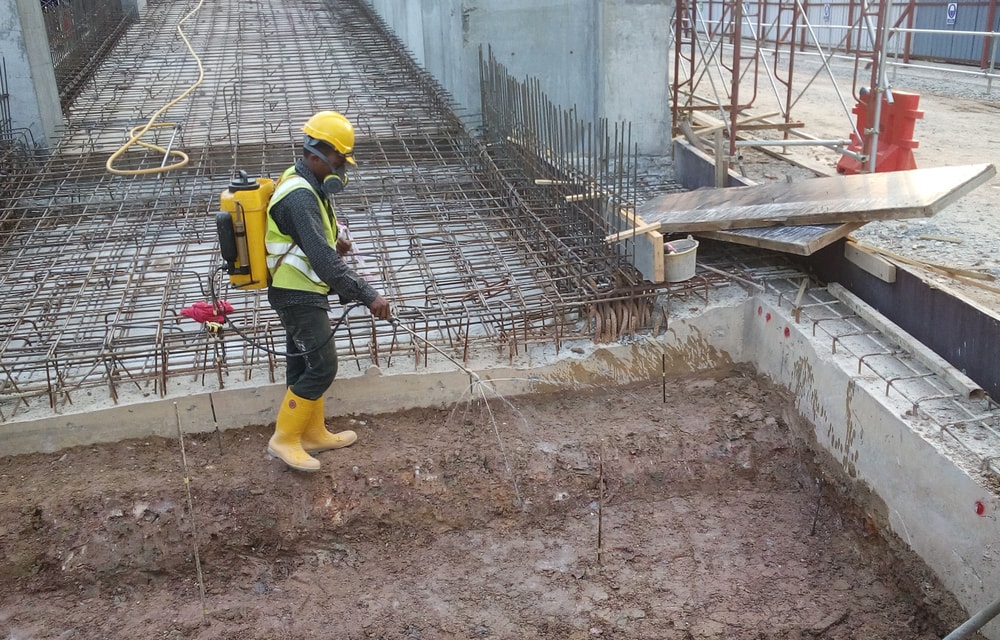
Pre-Treat Before Starting Construction
Even the barest, cleanest jobsite can have pest problems after the fact. This is because many rodents and insects make their homes several feet underground. As you construct something on top of that space, they may come to the surface to look for food and nesting grounds. For example, termites can be difficult to identify and harder to eradicate after the fact. Many people decide to use preventive treatments before they start. This creates a chemical barrier that deters pests from digging to the surface in the first place.
Identify Possible Threats
Depending on the type of work you do, you might face different threats. Someone who focuses more on the building’s exterior needs to consider problems unique to a pro constructing or maintain elevator shafts. When you arrive at the jobsite, check out the outside environment. Look for places pests like to live, including:
- open water sources nearby, such as a stream or pond
- dense bushes or trees
- fields with overgrown grasses or weeds
If you’re working primarily inside a building, you’ll have other factors to consider. Pay attention to signs of scratch marks, chewing or droppings. When you find nests for birds or insects inside or near the structure, make a note of them.
Build Barriers
As you secure a construction site, you’re paying attention to who belongs and who needs to be kept out. Pests are an important part of this discussion because like any vandal, they can cause damage to structures and put you at risk. Consider adding the following deterrents to protect your employees and your work:
- fences made of dense material to stop rodents
- enclosures
- temporary buildings
- air curtains to block flying insects
This might not be enough to keep everything out, but it will help.
Set and Follow Regular Cleanup Procedures
Pests tend to invade a space for two reasons. The first is that the construction process disrupts their home environment and they need to find another place to settle. This part may be very difficult to avoid. The second is that they sense good places to build nests, or find food and water. Insects, rodents and birds will live in insulation or the structures you build. They will also use disposable food containers, soft waste products or standing water sources, if available. Cleaning up after each workday is very important to avoid providing a comfortable space for pests to live. Make sure you keep waste products away from the jobsite and arrange for regular pickup.
Create a Plan for Pest Management
In many cases, it’s not the pests that pose the health risks as much as the bacteria or viruses they carry. Insect or rodent bites may be annoying or they could make you very ill. When you encounter an infestation:
- Keep a pest management company’s contact information handy for quick reference
- Avoid disrupting the infestation until you can consult with a pest control professional
- Use proper protective gear like gloves and masks if you must engage with the pests
- Treat bites, scratches or stings promptly
These steps will help you avoid a more serious situation.
Dealing with pests can be a regular part of life in the construction industry. As long as you have a plan, you can minimize most of the hassle. To start building your career as a contractor, visit CSLS today!