
Augmented Reality and the Jobsite: Construction Going 3D
By 4 min read
[vc_row][vc_column][vc_single_image image=”30699″ img_size=”full”][vc_column_text]Augmented Reality and the Jobsite
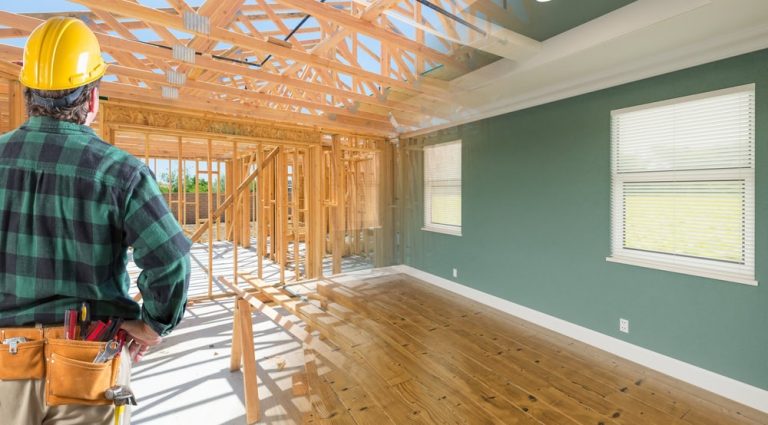
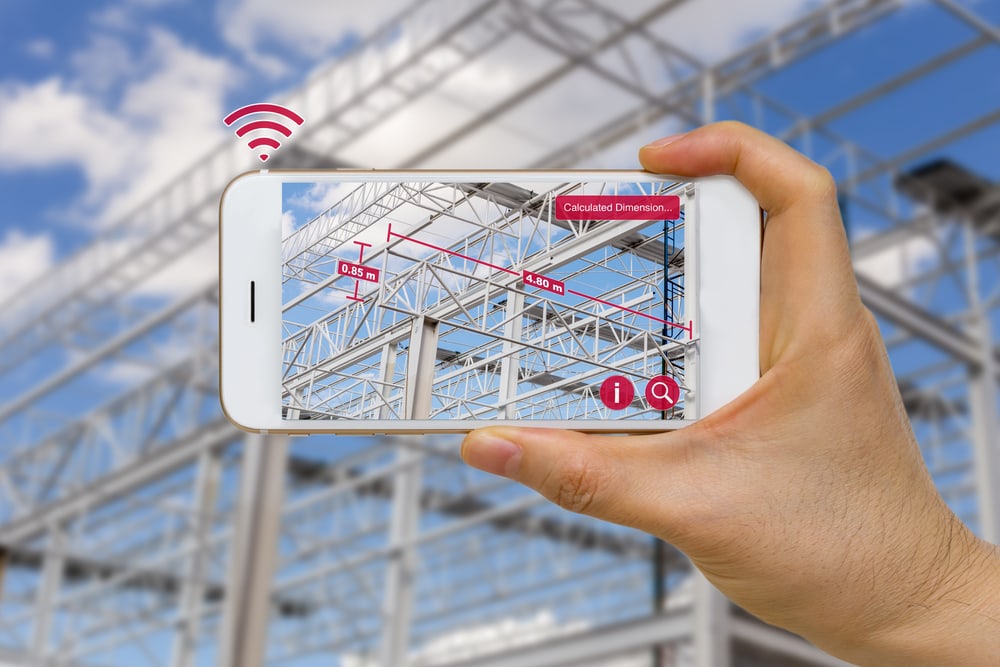
Chances are you’ve heard about the modern advancements in virtual reality – for the first time in years, companies like Google and Oculus Rift have engineered and built relatively affordable devices that bring 3D virtual reality to the masses. Virtual reality has long been a utopian tech dream in our evolving digital culture, embodying a complete immersion into alternate universes that is uniquely polarizing amongst early adopters. Some people see virtual reality as the next promising digital frontier, while others fear it will foster escapism and the end of human social interaction. However augmented reality, a unique hybrid world in which a real location, part, or jobsite is overlaid with a digital simulation, is quietly revolutionizing construction, real estate, engineering markets.
AR Changing The Way You See The Jobsite
Imagine a world where you could take a piece of undeveloped property, overlay computer-generated structures, while digitally manipulating the layout proportions and parts to see how the finished build looks according to the dimensions and orientation of the property itself – that’s augmented reality. AR technology has been making slow and steady market penetration gains over the last 5 years and now thanks to pricing and availability improvements, it’s not just reserved for large construction companies anymore.
Typically most construction projects start with drafted 2D plans from multiple elevations and then project elevations are modeled in 3D on a computer screen. Construction professionals often have a tough time mentally going from 2D to 3D models without the context of the parcel, while needing to construct a 3D structure at the end of the day. Augmented reality places the model on it’s final site, allowing you to tweak proportions, size, layout, and orientation in real time. AR facilitates virtual walk-thrus and real-time collaboration, while reducing costly building errors and change orders late in the build. Interestingly enough, AR can even can lay out provisions for accurate prefabrication, which reduces build costs and timetables in the long run.
In the Real World…
In 2011, a 6.3 earthquake struck Christchurch, New Zealand killing 185 people from more than 20 countries. A prior 2010 7.1 earthquake nearly decimated the city, producing over 400,000 tonnes of silt. The subsequent 2011 quake damaged over 3,000 buildings, including key pieces of infrastructure like local hotels, TV station headquarters, government buildings, and churches. Some of the damage was so extensive in certain areas that the building foundations had been liquified from the tectonic shifting and force of falling rubble, meaning parts of Christchurch were not only inaccessible, but also could not be built on in the future. Rescuers and engineers could not even get around the city in some areas due to the buildup of silt and rubble that stopped cars dead in the streets.
Without being able to access key parts of the city, search and rescue teams, structural engineers, and geologists were initially blind to the extent of damage. The University of Canterbury debuted an augmented reality product called CityViewAR to visualize destroyed buildings on their foundations, allowing them to survey damage that occurred while planning rescue and rebuilding efforts. The CityViewAR app was able to load different elevations, angles, and layouts of buildings so experts could compare seismic shifting, prioritizing the projects that took priority in using the estimated 40 billion dollars in aid needed to rebuild Christchurch.
AR technology also has incredible applications in the training, continuing education, and individual skill development realms of construction tech. Picture being guided through hands-on courses that overlay digital information to teach you how to cut, assemble, and produce complex parts installations. Augmented reality is just another way technology is changing the way the industry works with very user-centric adaptations – this isn’t your dad’s construction job anymore.
About CSLS:
CSLS is the largest contractor licensing school in California with over 25 locations throughout the state. We have the highest success rate of any school – 99% of our students pass their exam on the first try, and that’s guaranteed or your money back.
Our teaching process prepares you in a step by step manner for everything you need to know to pass the law, business and trade portion of your exam. Our programs are designed for convenience. We have online programs, home study, crash-course and in-school options, making it easy and affordable for you to become a licensed contractor.[/vc_column_text][/vc_column][/vc_row]