


Navigating the Permitting Process for Large-Scale Projects
By 3 min read
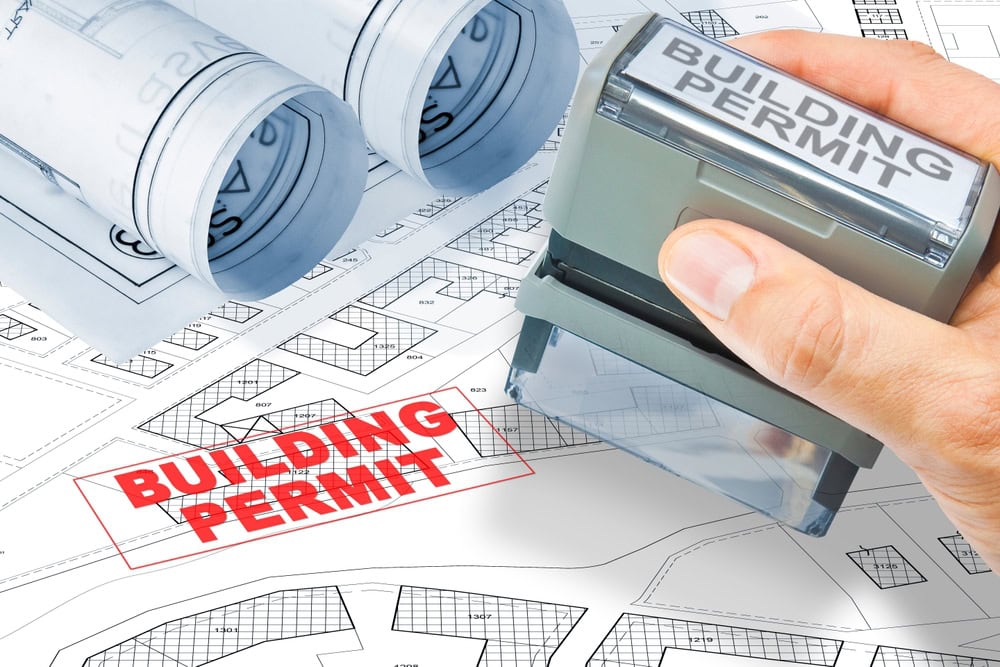
The permitting process for large-scale construction projects can be complex and time-consuming, but it is a crucial step to ensure compliance with local, state, and federal regulations. For contractors, understanding and efficiently navigating this process is essential to avoid delays and additional costs. This guide will provide an overview of the types of permits required, the steps to navigate the permitting process, and common challenges and solutions.
Types of Permits Required
Building Permits
Building permits are required for most construction projects to ensure that the work complies with local building codes and safety standards. This includes new construction, additions, and significant renovations.
- Requirements for Building Permits: Detailed plans, specifications, and sometimes environmental impact assessments.
- Link to Building Permit Applications: Building Permit Applications
Environmental Permits
Environmental permits are necessary for projects that may impact the environment, such as those involving land disturbance, water usage, or emissions. These permits ensure that the project complies with environmental regulations.
- Common Applications of Environmental Permits: Construction near water bodies, large-scale land development, and industrial projects.
- Link to Environmental Permit Resources: Environmental Permits
Specialty Permits
Specialty permits may be required for specific aspects of a project, such as electrical work, plumbing, or HVAC installations. These permits ensure that specialized work is performed by qualified professionals and meets safety standards.
- Examples of Specialty Permits: Electrical permits, plumbing permits, and mechanical permits.
- Link to Specialty Permit Applications: Specialty Permits
Steps to Navigate the Permitting Process
Step 1: Research and Preparation
The first step in the permitting process is to research the specific requirements for your project. This includes understanding the types of permits needed, the documentation required, and the timelines for approval.
- Tips for Researching Permit Requirements: Contact local building departments, review zoning laws, and consult with professionals.
- Link to Permit Research Resources: Permit Research
Step 2: Application Submission
Once you have gathered all the necessary information and documentation, you can submit your permit applications. This step involves completing application forms, providing detailed plans and specifications, and paying any associated fees.
- Detailed Instructions for Submitting Permit Applications: Ensure accuracy and completeness to avoid delays.
Step 3: Review and Approval
After submission, your permit applications will undergo a review process. This may involve inspections, public hearings, and consultations with various agencies. The review process ensures that your project complies with all relevant regulations.
- Tips for Expediting Approvals: Maintain open communication with permitting authorities and promptly address any issues or requests for additional information.
Common Challenges and Solutions
Delays and Rejections
Delays and rejections are common challenges in the permitting process. These can result from incomplete applications, non-compliance with regulations, or unforeseen issues.
- Tips for Overcoming Delays and Rejections: Double-check applications for completeness, stay informed about regulatory changes and seek professional assistance if needed.
Compliance Issues
Compliance issues can arise if your project does not meet local, state, or federal regulations. These issues can lead to fines, project delays, or even legal action.
- Tips for Ensuring Compliance: Regularly review regulations, conduct thorough site assessments, and work with experienced professionals.
Navigating the permitting process for large-scale projects requires careful planning, thorough research, and effective communication with permitting authorities. By understanding the types of permits required, following the steps to submit applications, and addressing common challenges, contractors can ensure a smoother permitting process and avoid costly delays. Successfully navigating this process is essential for the timely and compliant completion of construction projects.