
Hearing Loss – Don’t Go Deaf For a Living
By 4 min read

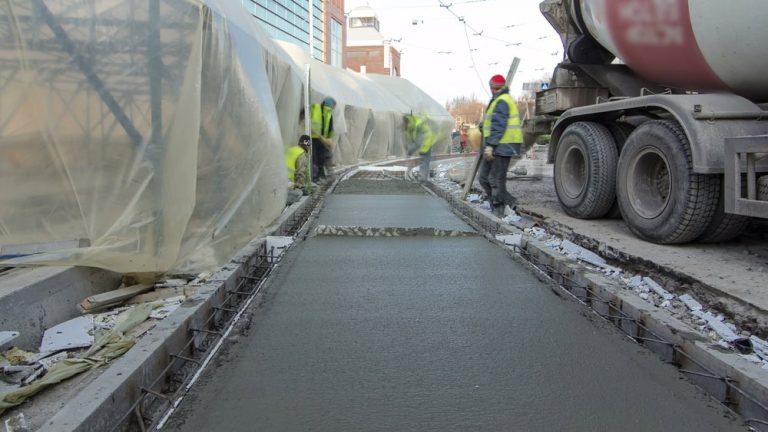
Spend some time out on construction sites and you’ll see that they are noisy places. Loud pneumatic tools, earth-moving machinery, and the large vehicles noise can really take a toll on your ears. Like most body parts, our ears wear out bit by bit overtime from overuse and overexposure to loud noises. Hearing loss is a growing problem in the construction world – let’s explore some problems and solutions below.
What? What…We Have a Problem?
Hearing loss due to exposure to loud noises in the construction world is in fact a issue – the problem is very few people are talking about it. When it comes down to it, different states have shifting requirements when it comes to hearing protection for construction employees. Despite these confusing requirements and guidelines, more construction workers need to have conversations about the dangers of hearing loss.
Government agencies also have different standards of acceptable noise levels, and no two jobsites are going to have consistent noise and volume levels. A lot of construction equipment also lacks efficient noise controls that baffle machinery noise. However, the biggest problem that construction employees face is the lack of hearing health training and education material about the serious dangers of noise-induced hearing loss (NIHL).
Proper Hearing Protection
Per the Occupational Safety and Health Agency (OSHA), ear protection devices should be work when jobsite sound levels approach 85dB. Just to give you some context, a normal conversation takes place at 50-60dB, a doorbell rings at roughly 85dB, a motorcycle at wide open throttle is around around 100dB, and a rock concert comes in at roughly 120dB. OSHA law holds that companies must provide hearing protection when the noise level reaches an eight hour time weighted average of 90dB or more.
Construction sites are noisy places – the problem is that there are peaks and valleys in average noise levels, which means cheap hearing protection like earplugs does not work. Construction sites are also dangerous places, and a lot of workers don’t wear hearing protection because they don’t want to miss key warning calls or important verbal correspondence.
Combine these two factors and you’ll find that the majority of construction workers don’t even wear the safety gear provided.
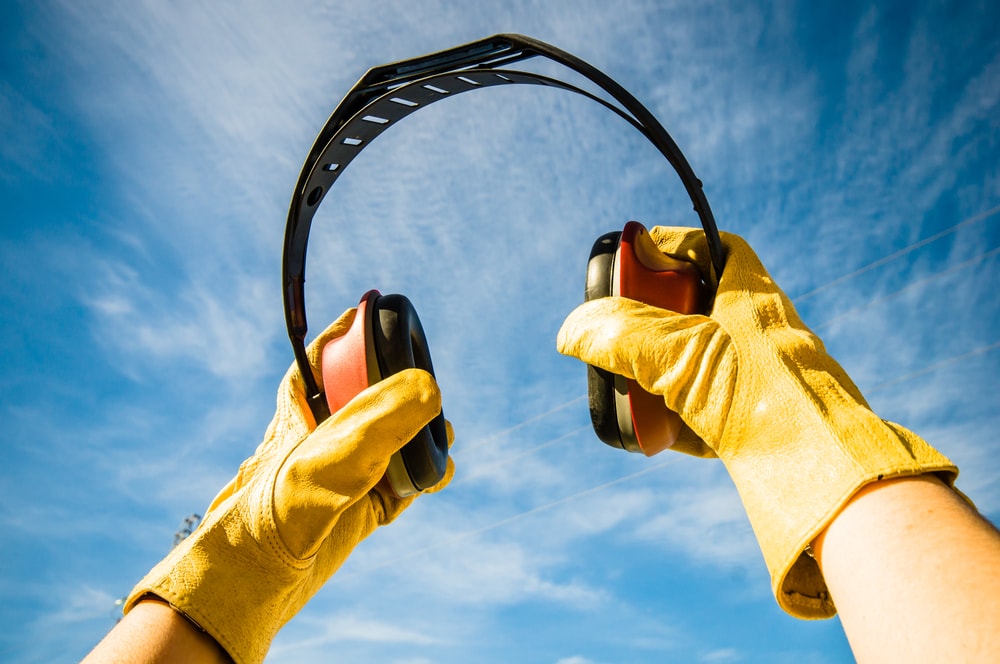
While cheap hearing protection has low adoption rates on the jobsite, there’s new noise protection technology on the market that blocks dangerous environmental noise, but allows people to have a face-to-face conversation. These “hear-through” devices are the perfect solution for workers to throw on to cancel loud noise, while giving them the ability to communicate and interact normally. The only drawback is that from a cost angle compared to foam earplugs, these new hear-through devices aren’t cheap – but once your hearing is gone, it’s gone for good. Put a price on your hearing – will you spend $100 to protect yourself from noisy work environments?
Solutions In Place
When it comes to noise management on the jobsite, there are a number of solutions managers can implement to prevent noise-induced hearing loss:
- Post warning signs for high noise level areas
- Relocate loud equipment away from workers
- Rotate workers out of loud jobs/tasks regularly
- Train workers to properly wear and care for their hearing protection
- Enforce noise restrictions and adherence to noise reduction plans
- Utilize mufflers and sound barrier enclosures on loud equipment
Even with these solutions out there, the number of construction workers with hearing loss issues continues to rise. Many of these solutions are cost-effective, yet construction sites lack the proper attention to detail on hearing protection. Small, local operations that employ tradesmen and subs under one general contractor are typically the places where hearing protection is overlooked – a true lack of oversight coupled with a lack of concern.
The construction industry has to lead the charge for change here, making targeted efforts to educate their staff on the dangers NIHL, implement noise controls and muffling techniques, and train staff on the proper use and care of hearing protection devices. You too can prevent hearing loss on the jobsite!
About CSLS:
CSLS is the largest contractor licensing school in California with over 25 locations throughout the state. We have the highest success rate of any school – 99% of our students pass their exam on the first try, and that’s guaranteed or your money back.
Our teaching process prepares you in a step by step manner for everything you need to know to pass the law, business and trade portion of your exam. Our programs are designed for convenience. We have online programs, home study, crash-course and in-school options, making it easy and affordable for you to become a licensed contractor.